what to plant between junipers on a slope
When you think of an ornamental garden plant, juniper is usually the first proper name to come to mind. The reasons for its popularity among homeowners and garden aficionados are many and varied. Juniper is a hardy shrub that grows simply about in any region and soil. Information technology takes many shapes, colors, and sizes to suit your landscaping needs. Not to mention that it'due south a plant for all seasons with its own unique medicinal benefits. So what's there not to like?
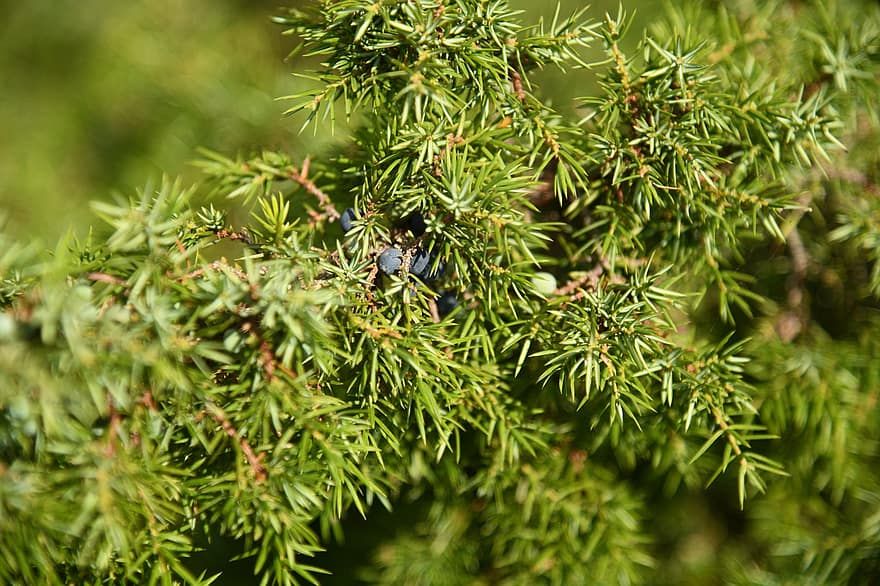
Information technology'due south no wonder, then, that juniper is the number 1 option in gardens, lawns, borders, hillsides, and slopes. Then how exercise you lot grow juniper and make the most of its ornamental values? And what type of juniper shrub works all-time in which locations? Read on to find out all you demand to know nearly this versatile and wonderful shrub.
Know your Juniper
Equally coniferous plants of the cypress family unit, junipers (Juniperus) have dissimilar types. They can exist trees that reach 130 anxiety alpine, or care-free growing shrubs to add together style and class to your garden. They also grow as footing covers but 6 inches loftier.
This diverseness in shapes and sizes is just matched by the color variations that the plant acquires and changes depending on the season. From bright gilded and green to steely blue and many shades in betwixt, y'all will find the juniper blazon that works best for y'all.
Autonomously from their ornamental values, junipers are ofttimes used for more practical purposes. When a slope or a hillside is under threat of erosion a robust layer of juniper groundcover protects the topsoil and preserves the integrity and appearance of the spot.
All in all, at that place are between 50 to threescore species of the juniper family. They are all evergreens and can suit to harsh temperatures. Junipers grow in the arctic as much equally they flourish in the tropics. These plants love the dominicus and need enough of light. The leaves start as needle-shaped and turn into scale-like shapes. During the winter the leaves plow into a sedated bronze color. The flowers are usually xanthous and appear in the spring.
How to Found Juniper in Piece of cake Steps
When planting juniper, the best time is either during the spring or the fall. The weather is balmy and doesn't stress the new plants with either the scorching estrus or the freezing cold. The spot you choose for planting needs to get enough of sunlight. If the weather gets too hot during the summer, and so a little shade will benefit the plants. Hither are the steps to plant junipers.
- Set the soil with almost 20 percent mixture of organic matter.
- Dig a hole wider and deeper than the root mass of the institute.
- Make sure that the depth of the pigsty matches the original pigsty the juniper was planted in before.
- Place the juniper in the hole and fill it with soil.
- Press the clay gently to remove any pockets of air.
- Water the plant immediately later on planting and once again on a weekly basis depending on the weather condition.
- Keep plenty infinite between the plants to improve ventilation and prevent fungal infections.
Caring for Junipers
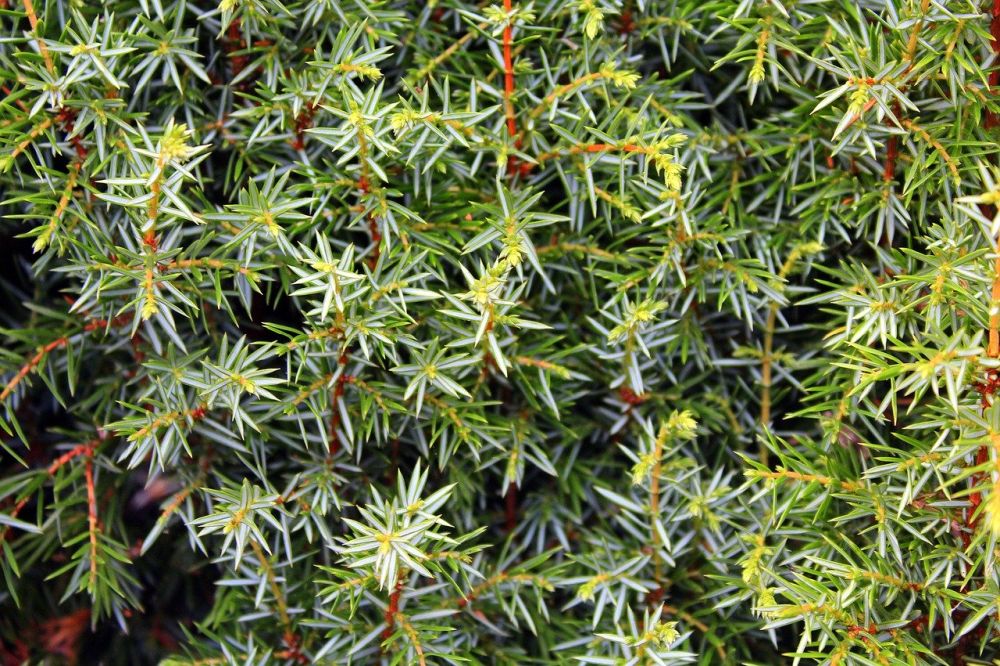
One of the reasons juniper is so popular is that it practically requires little or no caring. The establish takes care of itself. It adapts well to dissimilar types of soil and the irresolute seasons don't seem to stunt its growth or bear on it in whatever meaningful way.
That said, juniper is a living institute and every bit such it all the same needs water and diet to survive and abound. The soil is an important gene in that growth. Junipers prefer rich and slightly acidic soil. Drainage is crucial for the survival of the roots. Junipers don't practice well if their roots are submerged in stagnant h2o.
Water Needs
Once the juniper takes root, it hardly needs whatsoever irrigation on your part. Even in dry soil, the roots of the coniferous plant are deep enough to find wet and nutrition in the soil. That said, yous still need to water the new juniper right afterward planting it. It besides needs to exist watered once a week or every other calendar week until information technology establishes.
Overall, juniper has a low tolerance for soggy or constantly wet soil. So always institute it in a spot that has good drainage. Too much water suffocates the roots and causes diseases and infections.
Fertilizer and Mulch
Fertilizers are non a necessity as far as junipers are concerned. They tin can survive on their own without the need for supplements. However, if you prefer to use a fertilizer, then a balanced 1 will do. Spread a slow-release fertilizer effectually the roots sparingly and water the plant to avoid burns.
Mulch on the other hand can assist the soil retain moisture. Then during the hot months, sprinkle a thin layer, about ane to ii inches thick, of pine harbinger or shredded wood mulch well-nigh the base of operations of the plant. It will preclude weeds from growing around the junipers. Brand sure the mulch is cured and at least one year old.
Pruning
Junipers are intendance-free and wild plants. Their natural wait is function of their amuse. Then y'all'll rarely need to prune your juniper shrubs or groundcovers. Yet, occasionally, you might demand to apply a pair of abrupt pruning scissors to remove dead twigs, any stray growths, and requite the shrub a shapely await. Avoid over-pruning older plants since they don't regenerate lost growth quickly plenty.
Pests and Disease
Hardy plants equally they are, junipers are still decumbent to diseases and certain bugs can plague them and cause serious wellness issues. Well-nigh notably of these pests are bark beetle, sawfly, juniper needle miner, bagworm, juniper twig girdler, juniper webworm, scale, and spider mites amongst others.
Junipers also succumb to diseases such as phytophthora root rot, cedar rust, and twig and tip blight. Most of these diseases are caused by desperately drained soil, lack of air circulation, or proximity to other trees such as apple trees.
Every bit for foraging animals, they'll usually steer clear from junipers. Neither the needles on the branches nor the biting tastes of the leaves make the found palatable to animals such as deer. So your juniper shrub is safe from the ravages of cud-chewing animals except when in that location's a food scarcity in the area.
Cull the Right Juniper for your Needs
With up to 60 juniper species to choose from, sometimes you might find it hard to land on the right blazon of juniper to adjust your specific needs. But for the sake of simplification, we tin intermission downward the types of juniper according to 3 principal purposes.
- Landscaping and privacy: This is by far the nigh common usage of junipers. Every bit evergreen plants that have dissimilar colors and sizes, they come up in handy when you want to add a touch of beauty to your landscape or protect your privacy from prying optics. Junipers as well work equally excellent foundation plantings and fit nicely in hedges and screenings.
- Protection confronting erosion: Groundcover junipers are excellent plants to protect a slope or hillside area that is at high chance of erosion or landslides.
- Ornamental purposes: Other types of juniper, specially the dwarf species, tin abound in containers. They maintain their vivid colors all yr circular and add a touch of cheerfulness and great ambiance to the surroundings.
Best Practices for Landscaping with Juniper
The various species of juniper all take a office to play in your life. If used the right fashion, junipers tin can transform your house and garden.
- Instead of having a fence around the garden, y'all can establish a juniper shrub that acts both as a contend and an ornamental plant at the aforementioned time.
- Medium-sized junipers can form rows of lively borders that interruption your landscape or garden into manageable and stylish divisions.
- A dwarf juniper in a container near your gate or entryway becomes a fixture that sheds green and lively vibes all year round.
- Tall juniper trees protect our garden and holding from stiff winds and offer shade in the summertime months.
- Modest junipers accept a place within the house and under the windows. They don't obstruct the view since junipers are slow growers normally.
- Sure junipers with vivid colors and appealing shapes can be planted equally the focal point in your garden or lawn.
hendersonnevency65.blogspot.com
Source: https://www.diys.com/juniper-shrubs/

Post a Comment for "what to plant between junipers on a slope"